

Clothing in fiction is not decoration. It is characterization. The way a character is dressed communicates her psychology, her relationship to power, her emotional state, and her place in the world—before she speaks a single line of dialogue. When writers reduce clothing description to vague aesthetic shorthand, they forfeit one of the most efficient tools available to them. Phrases like “she looked effortlessly beautiful” or “she wore soft clothes” do not render a character. They gesture toward one. The result is a figure the reader cannot see, cannot feel, and cannot trust. This article looks at seven of the most commonly miswritten female clothing styles in fiction, identifies the failure pattern in each, and provides precise corrective language and illustrative examples writers can use immediately.
Effortless Feminine: The “She Just Threw This On” Lie
The effortless feminine style is perhaps the most frequently invoked and least
successfully executed in fiction. The problem is conceptual before it is stylistic. Writers
mistake the appearance of ease for the absence of intention. In reality, this aesthetic is the
result of careful composition: balanced proportions, complementary textures, nothing
competing for dominance. The goal is harmony, not laziness, and the writing must reflect that
distinction.
Weak execution produces sentences like “she looked effortlessly beautiful,” which tells
the reader nothing about the garment, the body wearing it, or the effect it produces. It is an
evaluation masquerading as description. The correction is to write what the effortlessness
actually looks like in physical terms.
Word Vault: flowing, lightweight, soft-draped, cinched, natural, breathable, loosely-fitted, and delicate. These words carry texture and movement.
They instruct the reader’s eye. More effective still is to render the style through behavior and
relationship between the garment and the body:
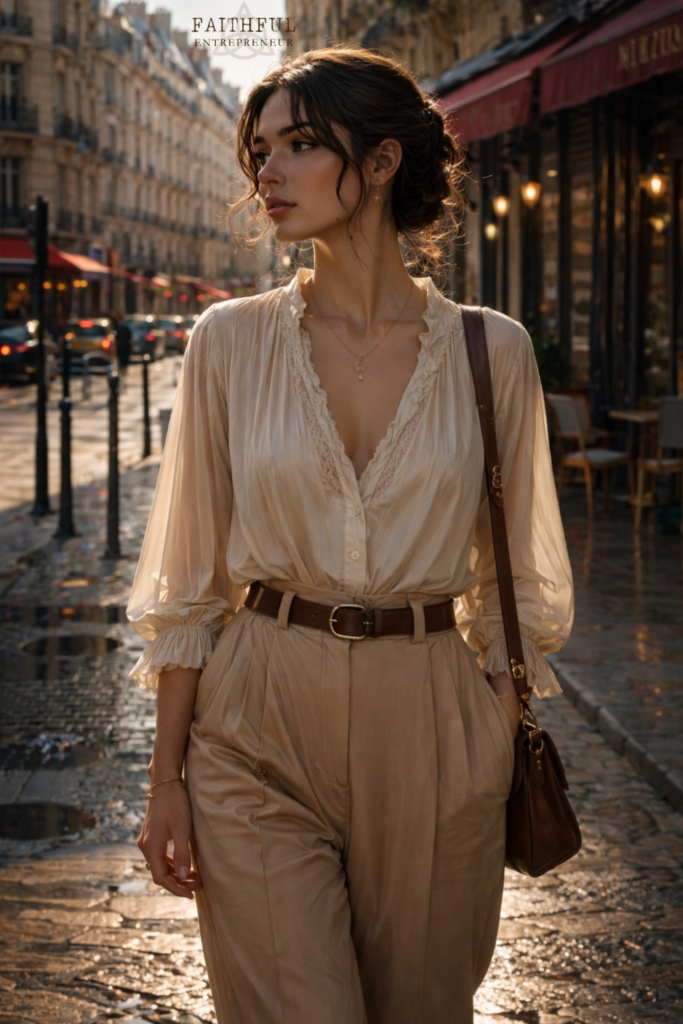
Example “She wore a loose, cream blouse tucked
halfway into high-waisted trousers, the fabric soft enough to fold at the elbows. A thin belt
cinched her waist just enough to shape it, and her sleeves hung slightly past her wrists like she
hadn’t bothered to adjust them” . The reader now sees the outfit because the writer
described what it does, not what it is.
The operative principle is motion. The effortless feminine outfit moves before its
wearer does. It follows her rather than leading. That behavioral relationship between cloth and
body is where the style lives.
Soft and Gentle: Strength Under Control, Not Fragility
Soft, gentle styling is frequently rendered as fragility by writers who conflate
tenderness with weakness. The confusion produces flat, characterless description: “she wore
soft clothes.” The sentence communicates nothing about the character’s interiority, her choices,
or the way the softness functions as an intentional mode of presentation rather than a failure of
boldness.
The soft and gentle aesthetic is not the absence of power. It is the presentation of
comfort, emotional availability, and quiet confidence. The character dressed in this style has
made a deliberate choice to occupy space gently—and that deliberateness is what the writing
must capture.
Word Vault: knit, brushed, warm-toned, layered-soft, wrapped,
muted, touchable, and calming. The distinction between worn-in and worn-out is particularly
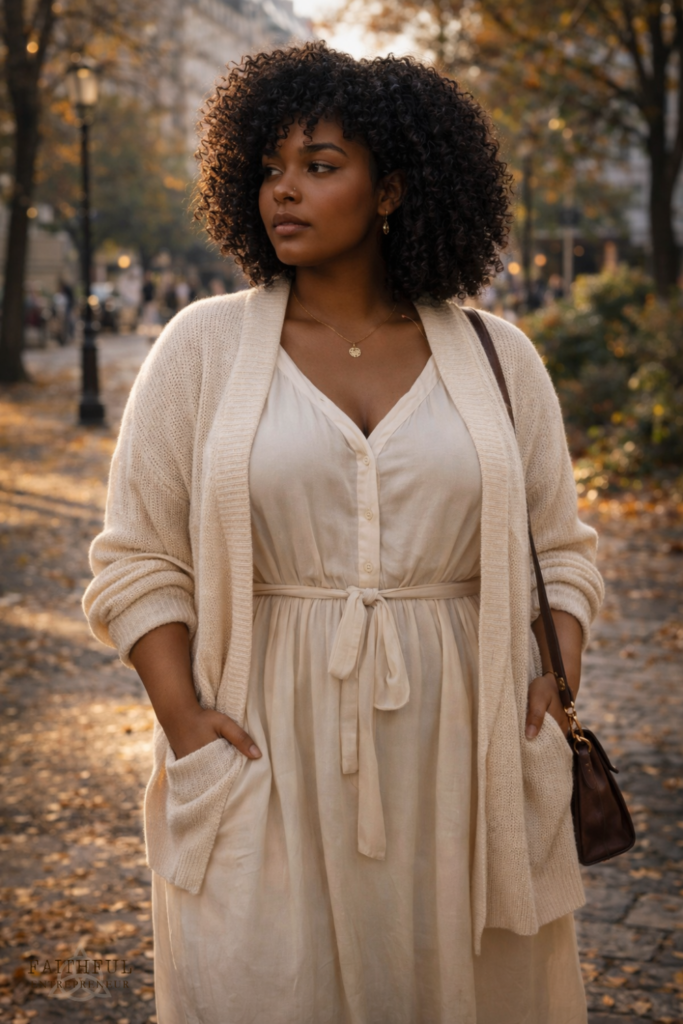
useful here: “A thick, knit cardigan hung open over a simple dress, the sleeves pushed up
unevenly. The fabric looked worn in, not worn out—like something chosen for comfort but
kept neat on purpose.” The qualifier “on purpose” carries the entire weight of the character. She is soft by design, not by default.
Street Feminine: Expression, Not Trend
Street feminine styling is chronically reduced to a costume inventory: crop tops, jeans,
sneakers. The result is a character who resembles a fashion mood board rather than a person.
The deeper problem is that writers default to trend when they should be writing identity. Street
style is not defined by what is popular. It is defined by the character’s awareness of her own
image and her decision about how to control it.
“She wore streetwear” is the paradigm case of failed execution. It names a category
without rendering a person. The reader knows nothing about this character’s choices, her
aesthetic intelligence, or what her clothing communicates about her relationship to the world.
Word Vault: layered, oversized, fitted-contrast, bold, textured, statement,
graphic, and stacked.
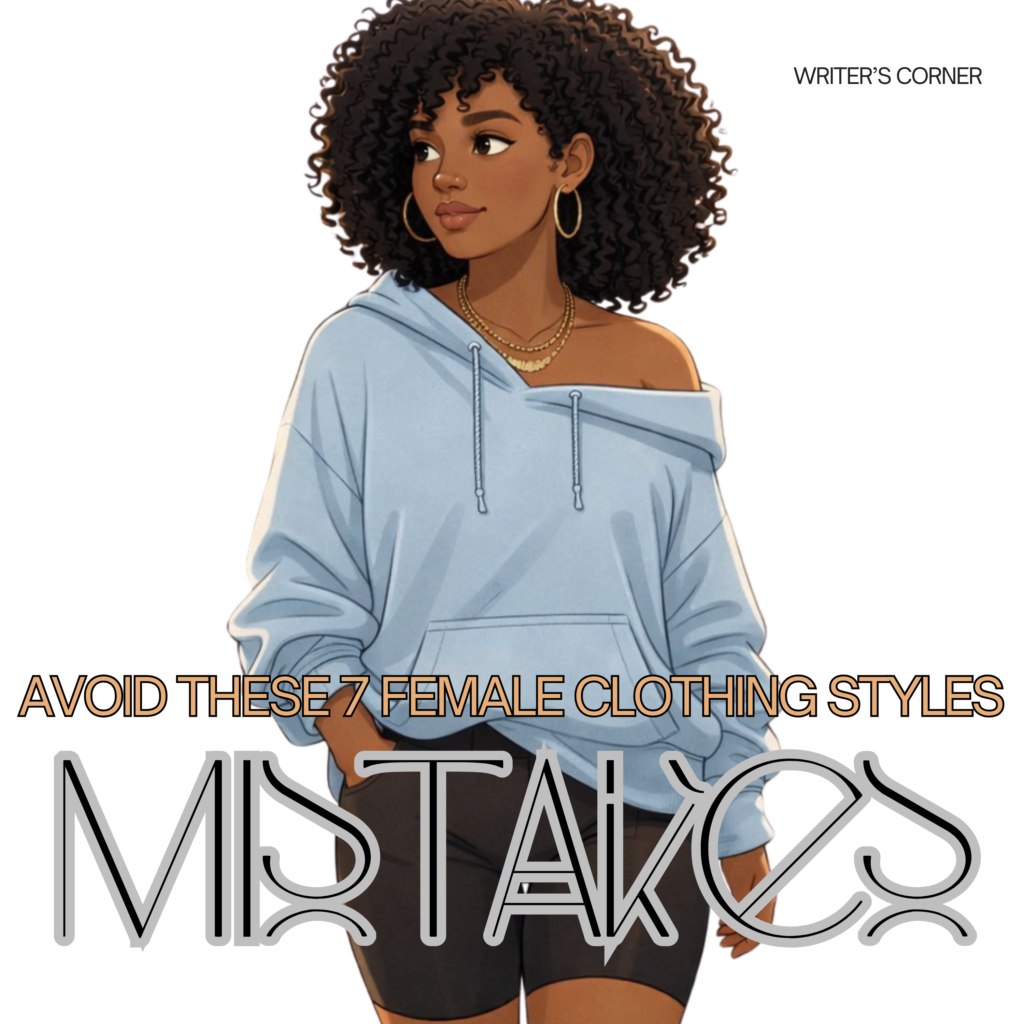
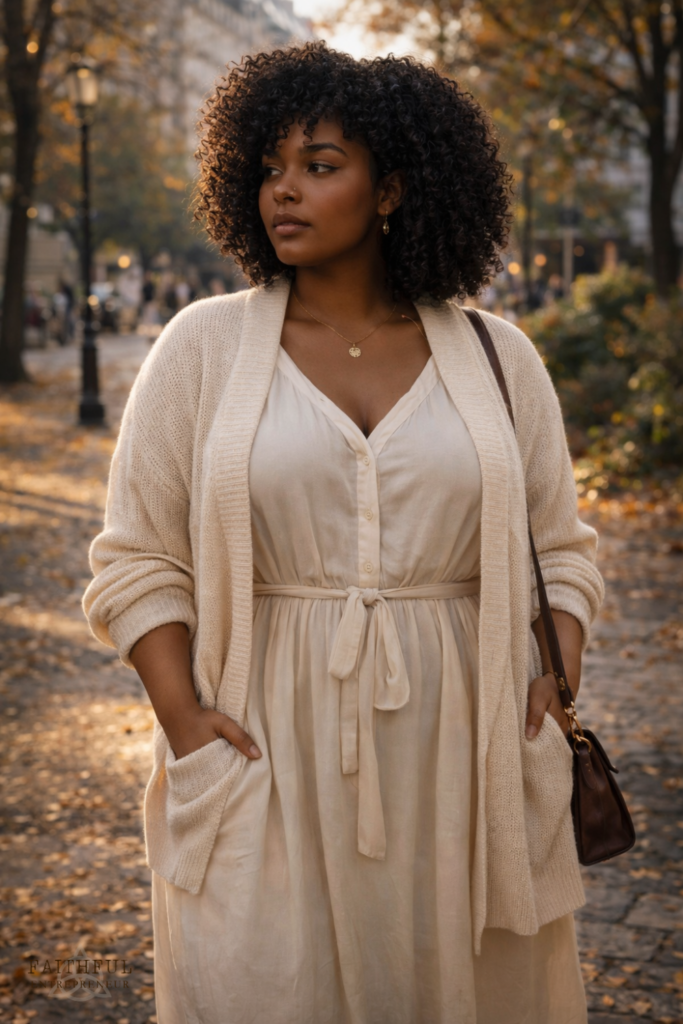
Example: “An oversized hoodie draped off one shoulder, paired with fitted biker shorts and high-top
sneakers. Gold hoops caught the light when she moved, and the layers looked thrown on—but
every piece matched too well to be accidental.” The final clause is the hinge. Accidental and intentional are held in tension, and the reader understands that this character is
not the product of a trend. She is the author of her own image.
Intellectual and Bookish: Femininity Is Not the Enemy of Intelligence

Writers frequently strip femininity from intelligence when rendering the bookish
character. The instinct appears protective—an effort to signal seriousness by removing the
“distraction” of fashion—but it produces a character who reads as invisible rather than
intellectual. The trope of the librarian has been deployed so carelessly that it now functions as
a signal of flat characterization rather than authentic interiority.
The intellectual aesthetic is defined by practicality, thoughtfulness, and subtle
expressiveness. The clothing reflects a mind that prioritizes function and meaning over
display. The character is not unstylish. She is style-indifferent in specific, deliberate ways, and
those ways are legible if the writer renders them precisely.
Word Vault: tailored, worn-in, ink-marked, structured, classic, tucked, modest,
and intentional.
Example: “A button-up blouse
tucked cleanly into a pleated skirt, sleeves rolled just below the elbows. Ink smudged faintly
along her fingers, and her cardigan sat folded over her shoulders like she’d taken it off
mid-thought and never put it back on”
The ink is character. The abandoned cardigan is character. The clothing is evidence of a mind at work—not an inventory of modest garments.
Wealthy but Understated: Quality That Whispers
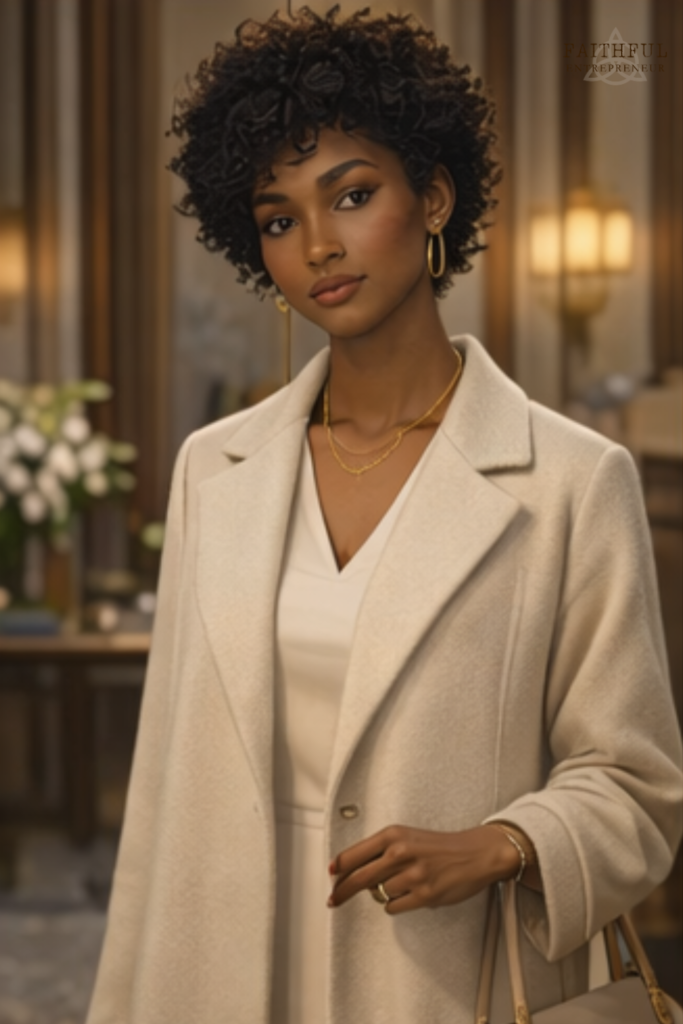
Quiet luxury is among the most commonly miswritten styles in contemporary fiction.
Writers either oversaturate it with visible status markers—brand names, sparkle, conspicuous
price points—or drain it of all specificity until nothing registers. Both failures miss the
defining characteristic of this aesthetic: the deliberate absence of effort to impress.
“She wore expensive clothes” is the functional failure. It names a quality without
rendering a texture, a structure, or a comportment. The reader understands that the clothing
costs money. They do not understand what that money purchases or how it behaves on the
body.
Word Vault: silken, tailored, seamless, refined, minimal, polished, weighty, and
precise.
Example: “A tailored dress fit her without a single pull or wrinkle, the seams sitting exactly where they should. No visible logos, no loud colors—just smooth fabric, subtle structure, and heels that didn’t make a sound when she walked.” The heels that make no sound are the detail that earns the reader’s
trust. Quiet luxury is not about what is visible. It is about the discipline of everything that is
absent.
Messy but Magnetic: Controlled Chaos and the Intentionally Undone
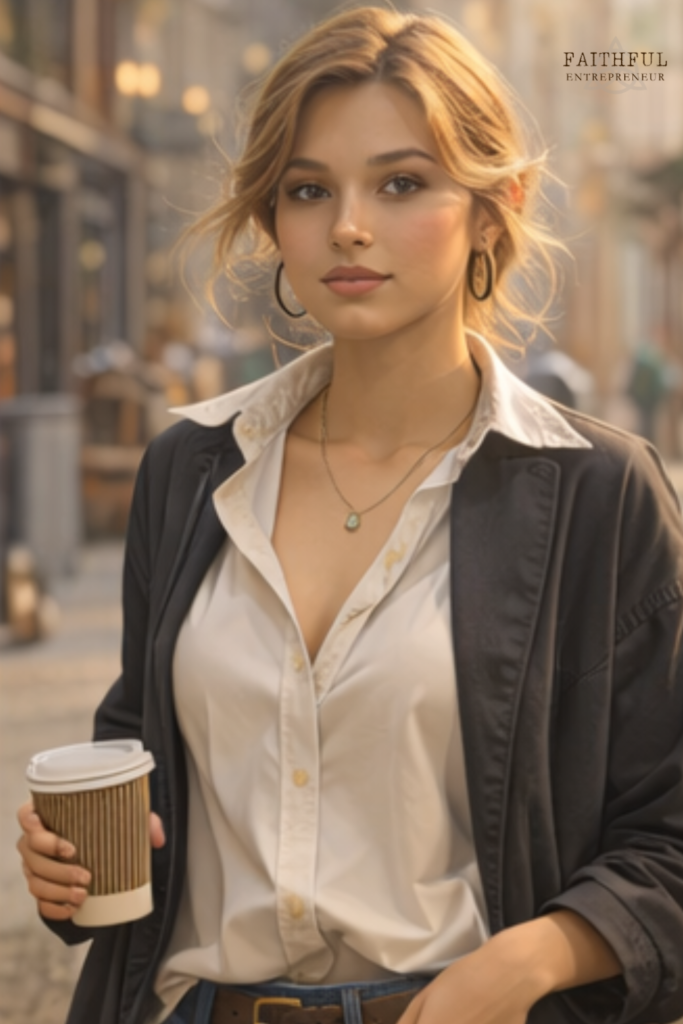
The messy character presents a persistent binary failure in fiction: she is rendered either
sloppy or quirky. Both are diminishments. The messy-but-magnetic aesthetic is not
carelessness, and it is not the “manic pixie” construction that has calcified into cliché. It is a
character who lives at a higher frequency than her clothing can fully track—and the clothing
shows it.
“She looked messy but cute” attempts to hold the tension and collapses it immediately.
“Cute” softens the disorder into something manageable and appealing. It removes the actual
energy of the style, which is not about appeal but about priority. This character’s mind is
elsewhere, and her clothing reflects where it is not.
Word Vault: half-tucked, rumpled, smudged, slipping, loose-strand, wrinkled,
off-balance, and worn.
Example: “Her shirt was half-tucked, one side slipping loose while the other stayed pinned at her waist. The fabric was wrinkled, her jacket thrown over it without care, but nothing looked dirty—just like she had more important things to think about than fixing it.” The final qualifier is essential. “More important things” names a mind, not a habit. The reader understands this character’s disorder as the by-product of intensity, not negligence.
Sacred and Set-Apart: Meaning, Not Costume
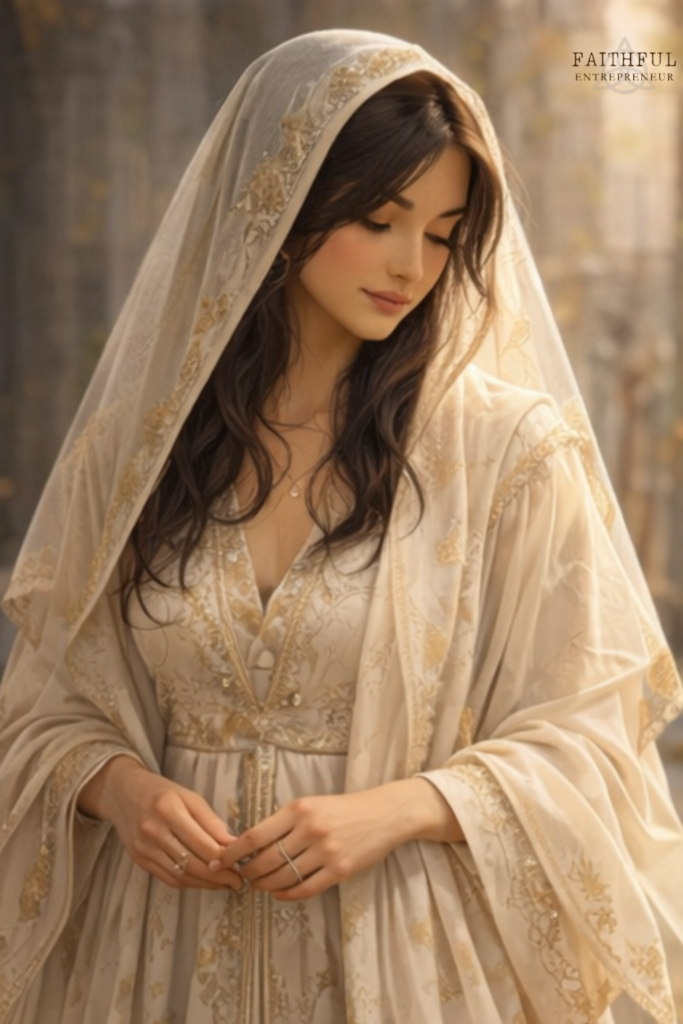
Sacred or ceremonially dressed characters suffer from what might be called the
Halloween problem: their clothing is described as beautiful, ornate, or distinctive without
conveying any of the spiritual or symbolic weight that makes sacred dress function as more
than decoration. “She wore a beautiful robe” is the paradigm failure. It registers the garment as
aesthetically positive. It conveys nothing about its significance, its history, or the way it
mediates between the wearer and something larger than herself. Sacred dress is meaning made visible. It is the material expression of consecration, office, or covenant. The clothing does not simply cover the body. It carries something—and the writing must render what it carries, not merely what it looks like.
Word Vault: draped, veiled, anointed, layered, flowing, consecrated,
embroidered, and luminous.
Example: “Layers of fabric fell from her shoulders to her ankles, light enough to shift when she moved. The edges were embroidered with fine patterns that caught the light, and a veil rested over her hair, thin enough to soften her features without hiding them.” The veil’s function—to soften without concealing—is the key. Sacred dress does not erase. It mediates. The writing must render that mediation.
These seven styles examined here represent common failure points not because they are
intrinsically difficult to write but because they are frequently approached as aesthetic
categories rather than character instruments. Clothing in fiction earns its place on the page only
when it does work—when it reveals psychology, communicates history, or establishes the
character’s relationship to power, identity, and presence. Vague aesthetic evaluation, trend
inventory, and stereotype-driven shorthand all forfeit that work.
The corrective is specificity: physical detail that renders texture and movement,
behavioral detail that renders the relationship between garment and body, and intentional detail
that renders the character’s choices as choices. When a writer describes what clothing does
rather than what it is, the character becomes visible. The reader can see her, feel the weight of
her fabric, and understand, before she speaks, who she is.
Stay faithful, stay quirky, and stay writing.
With love and fire,
V.S. Beals
Writer. Watchwoman. Woman of the Word.
Looking For More Helpful Writing Tips – Click Here
 The Face on the Page: Hard Truths About Writing Facial Features